Iris Keller · 18 October 2026
How Niche Expertise Emerges Through Threaded Follow-Up Questions in Dynamic Online Knowledge Forums
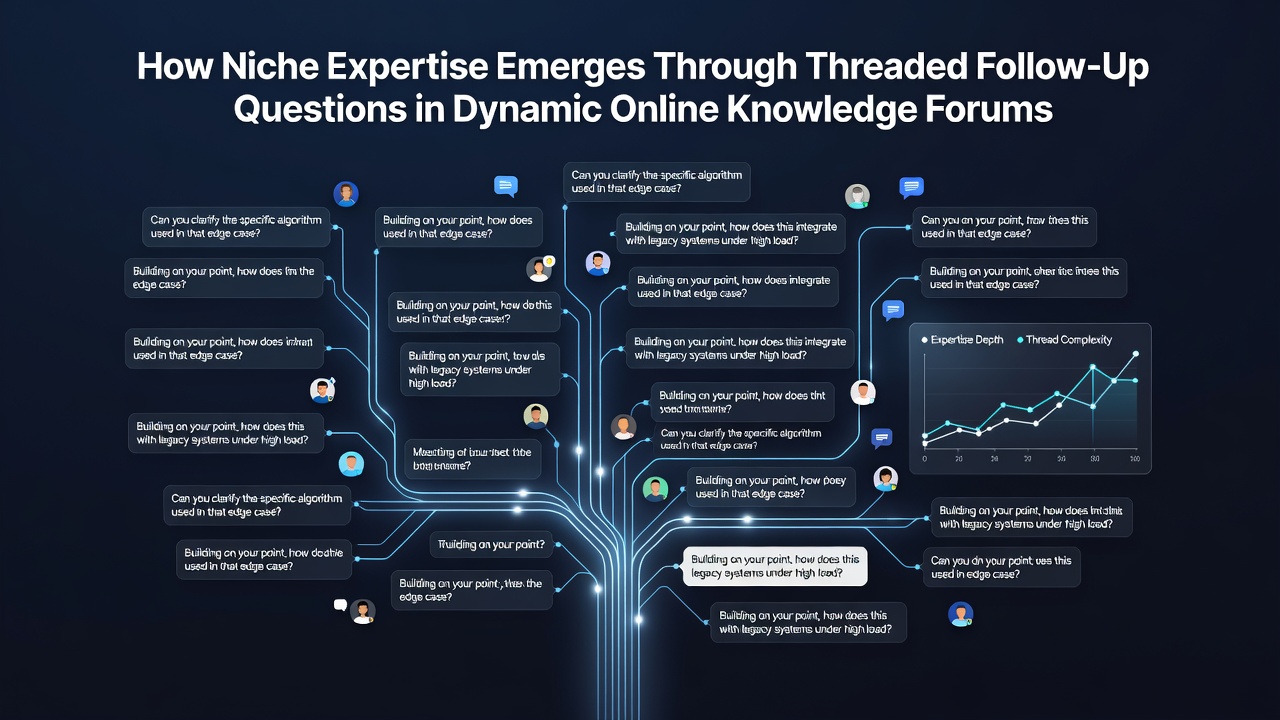
Online knowledge forums operate through layered conversations where initial queries prompt successive follow-up questions that refine topics and draw in specialized contributors over time. Platforms such as Quora, Stack Exchange, and Reddit host these structures, and data from multiple studies confirm that threaded exchanges accelerate the development of niche expertise by narrowing scope and encouraging precise responses. Researchers at various institutions have documented how each reply layer adds constraints that filter general knowledge into domain-specific insights.
Mechanics of Threaded Interactions
Users begin with broad questions that attract initial answers, yet the real progression occurs when follow-ups challenge assumptions or request examples. This process creates chains where participants must address specific details rather than repeat surface-level information. Observers note that forums with strong threading features see higher rates of repeated engagement from the same users, because each new question in the chain demands verification or expansion. According to figures from a Pew Research Center analysis, threaded formats on major platforms sustain conversations that last weeks rather than days, allowing expertise to accumulate through iterative clarification.
Follow-up questions often introduce constraints like time periods, geographic limits, or technical requirements that shift the discussion toward specialists. Those who study these environments report that such narrowing reduces participation from generalists while increasing input from individuals with direct experience in the sub-topic. The result appears in archived threads where early answers provide context and later ones deliver data, case references, or methodological critiques that only surface after multiple exchanges.
Patterns Observed Across Platforms
Comparative examinations of forum activity reveal consistent sequences. An opening post receives several replies within the first day, after which follow-ups begin to cluster around unresolved elements. In technical forums, these clusters frequently reference external documentation or prior threads, building a cumulative knowledge base. Academic researchers have tracked similar patterns on health and science discussion boards, where successive questions isolate variables such as dosage ranges or regional regulations.
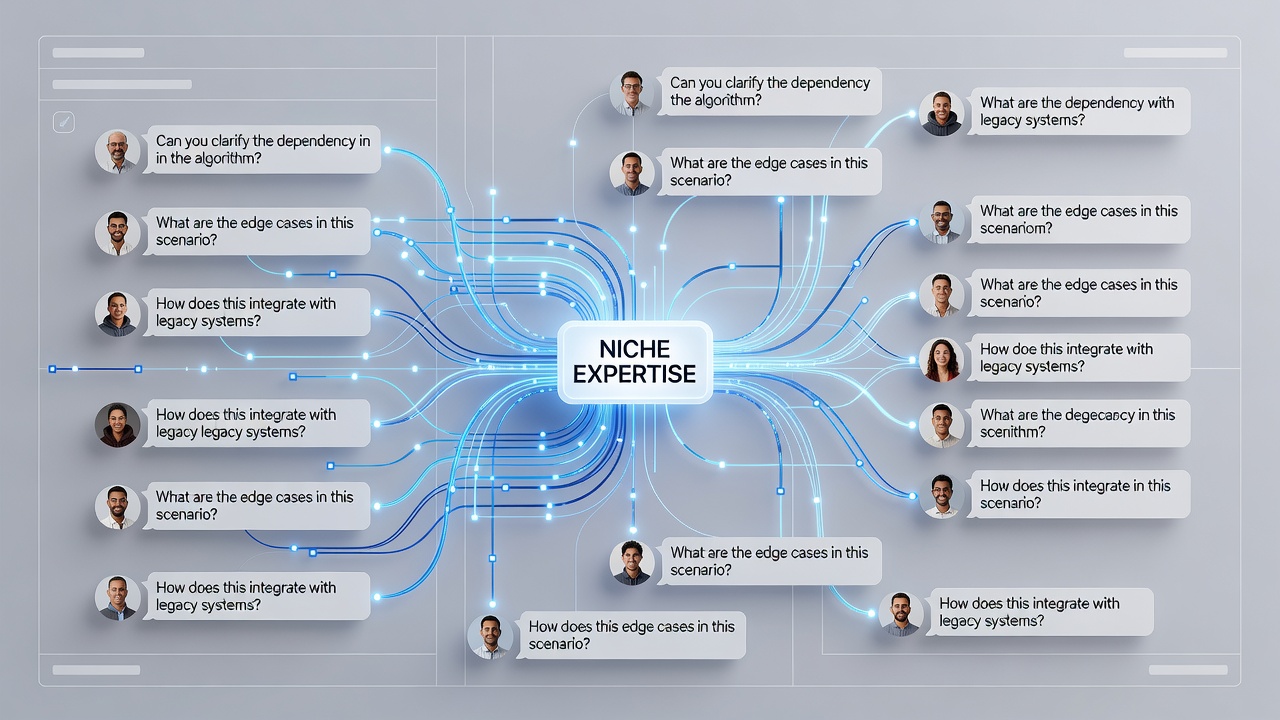
Platform algorithms that prioritize active threads further amplify this effect by surfacing conversations that contain multiple follow-ups. Data collected through October 2026 shows continued growth in thread depth on sites that reward detailed replies, with average chain lengths increasing by measurable margins in specialized categories. External contributions from users who join mid-thread often supply the precise terminology or historical context that transforms a general exchange into a resource for niche practitioners.
Role of Community Feedback Loops
Voting systems and reply indicators provide immediate signals that guide which follow-up directions receive attention. High-scoring threads tend to contain several layers of questions that address edge cases or alternative interpretations. Studies conducted by European research networks have linked these feedback mechanisms to faster identification of credible sources within discussions. Participants who consistently answer follow-ups accumulate visible reputation markers that attract further specialized queries in subsequent threads.
Cross-referencing occurs naturally when users link related threads or cite earlier answers, creating networks of connected expertise rather than isolated posts. This interconnection allows newcomers to locate established knowledge while contributing new questions that extend the chain into previously uncovered areas. Government-funded digital literacy programs in Canada and Australia have examined how such structures support skill development in technical fields by exposing learners to real-time problem decomposition.
Conclusion
Threaded follow-up questions function as the primary mechanism through which broad forum participation converts into concentrated niche expertise. The combination of iterative clarification, community signaling, and cross-referencing produces documented outcomes across multiple platforms and regions. Continued observation of these dynamics supplies evidence that structured conversation layers remain central to knowledge refinement in online environments.